

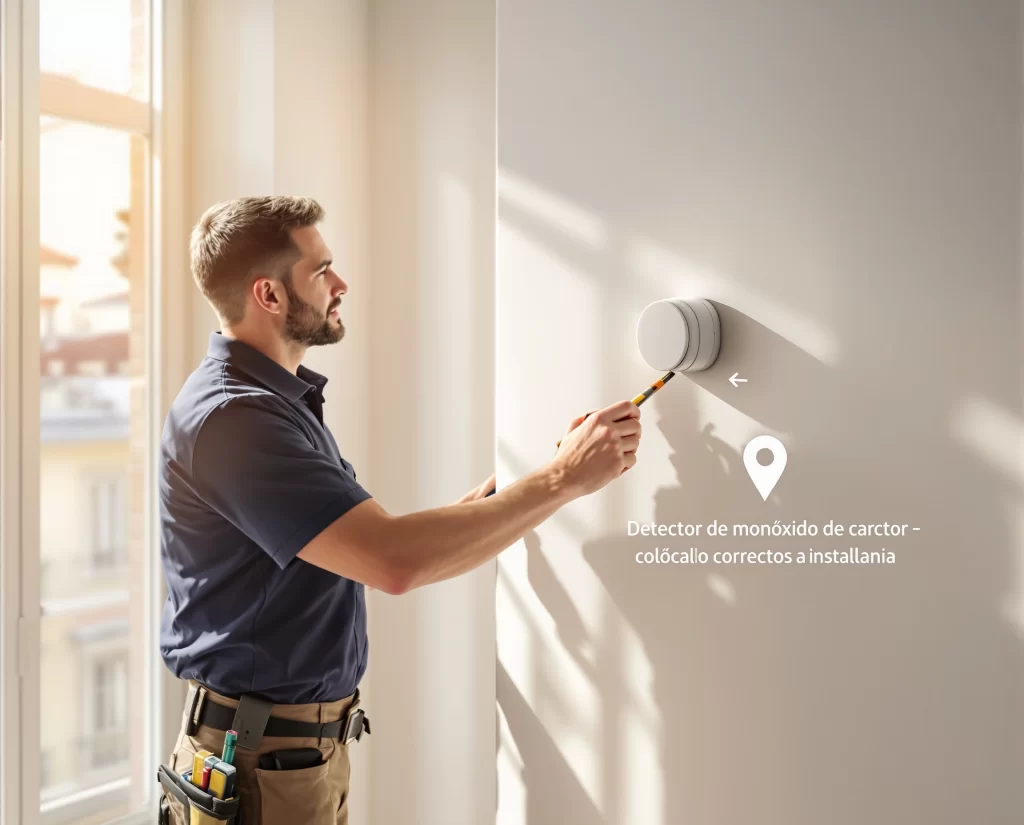
Where to Place Carbon Monoxide Detector at Home?
Finding the right spots for my carbon monoxide detectors is crucial for keeping my home safe. Proper placement can help ensure that this silent killer is detected early, protecting myself and my loved ones. Let’s explore the ideal locations where I should install my carbon monoxide detectors to maximize their effectiveness.
Understanding Carbon Monoxide Risks
Carbon monoxide (CO) is an invisible and odorless gas that can lead to serious health risks if inhaled. It’s produced by burning fuels, such as gas, oil, or wood. Knowing where to place carbon monoxide detectors in my home can help me prevent any dangerous incidents.
Importance of Carbon Monoxide Detectors
Having carbon monoxide detectors in my home is essential for early detection of this harmful gas. These devices can provide alerts before CO levels become dangerous, allowing me to take immediate action.
Recommended Locations for My Carbon Monoxide Detectors
1. Near Sleeping Areas
I should always place at least one carbon monoxide detector in the hallway outside my sleeping areas. This way, any alerts will easily wake me and my family.
2. On Every Level of My Home
To ensure comprehensive coverage, it's best to install a detector on each level of my home, including the basement and attic if they are used as living spaces.
3. Close to Fuel-Burning Appliances
It's vital to install detectors near where I have fuel-burning appliances, such as furnaces, water heaters, or fireplaces. This placement allows for quicker detection of any CO leakage from these sources.
Special Considerations for Detector Placement
4. Avoiding Certain Areas
I should refrain from placing my carbon monoxide detectors in areas where they may give false alarms. This includes kitchens or garages where my vehicle may emit exhaust fumes.
5. Distance from Windows and Vents
Placing my detectors too close to windows, doors, or vents can affect their performance. I should keep them at least a few feet away from these openings.
6. Mounting Height
If I’m installing a wall-mounted detector, it’s effective to place it 5 feet above the ground, or as per the manufacturer's instructions. If I’m using a ceiling-mounted one, I should ensure at least 12 inches from the nearest wall.
DIY vs. Professional Services
In deciding the best placement for my detectors, I might consider professional installation. While I can do it myself, professional services can ensure my detectors are in the most effective locations, reducing my risks of exposure.
Benefits of Hiring Professionals
- Proper assessment of my home layout.
- Compliance with local safety codes.
- Peace of mind knowing everything is correctly installed.
Testimonials
“I didn’t realize how important detector placement was until we got a professional installation. Now, I sleep much better knowing we’re safe.” — Sarah T., Worcester, MA
“They came out quickly and were super informative about where to place our detectors. Highly recommend their service!” — Mark J., Worcester, MA
“The installation was seamless, and they even pointed out areas I never considered. I feel so much safer!” — Lisa H., Worcester, MA
Did You Know?
Did you know that carbon monoxide can build up in enclosed spaces and reach dangerous levels in less than five minutes? Proper placement of detectors is crucial to making sure I catch it early.
TL;DR Summary
- Place detectors near sleeping areas and on every level.
- Avoid kitchens and areas close to windows or vents.
- Consider professional installation for optimal placement.
- Carbon monoxide can become deadly within minutes, so early detection is key.
FAQs
1. How often should I test my carbon monoxide detectors?
I should test my carbon monoxide detectors at least once a month to ensure they are functioning properly. Regular testing can help prevent false alarms and confirm they will alert my family in case of danger.
2. What should I do if my carbon monoxide detector goes off?
If my detector goes off, I must get everyone out of the house immediately and call emergency services. It's critical not to ignore the alarm, as it indicates potentially dangerous levels of carbon monoxide.
3. How long do carbon monoxide detectors last?
Most carbon monoxide detectors have a lifespan of about 5 to 7 years. I should check the expiration date and replace them as needed to ensure continuous safety.
4. Can I install a carbon monoxide detector outside?
No, I shouldn’t place carbon monoxide detectors outside. They are designed for indoor use, particularly in places where I sleep and near fuel-burning appliances.
5. Do carbon monoxide detectors require maintenance?
Yes, my detectors will require some maintenance, including battery changes and regular testing. Following the manufacturer’s guidelines will help me keep them in good working order.