

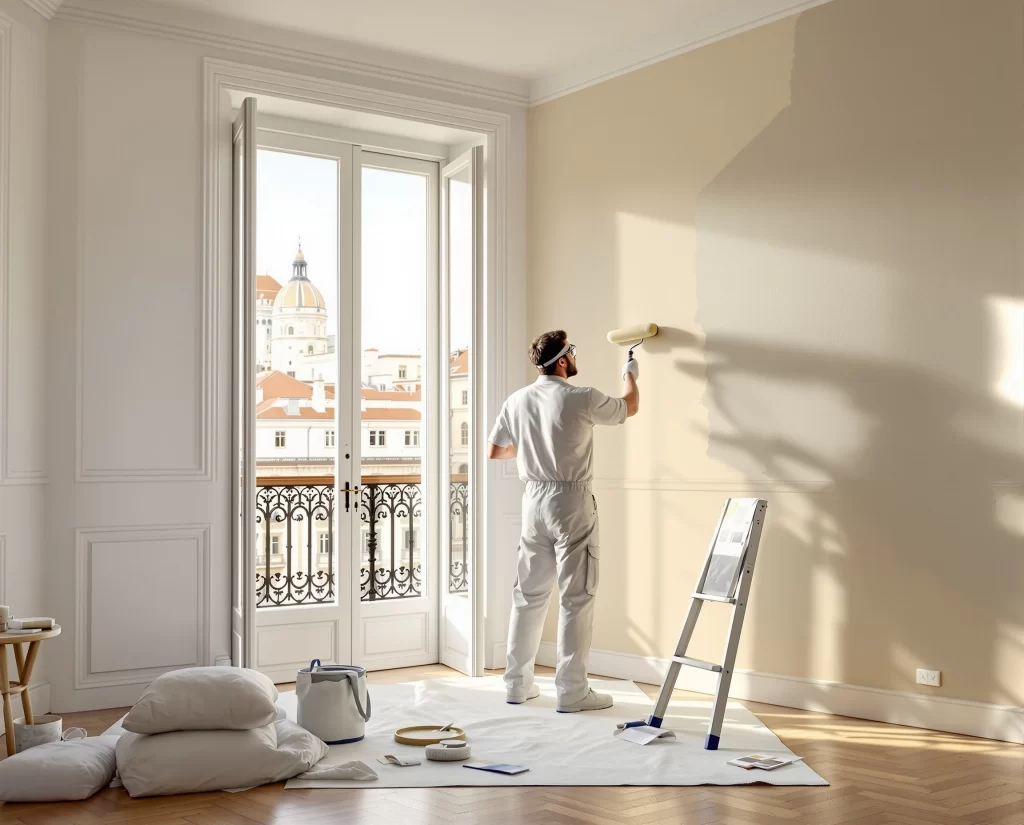
Welcome to the World of Durable Paint Jobs!
When it comes to house painting, I often wonder how surface preparation affects the durability of my paint job. I know that taking the time to properly prepare surfaces can make all the difference in achieving a flawless finish that lasts for years. Let’s dive into the importance of surface preparation and its impact on the longevity of my paint work!
How Surface Preparation Affects the Durability of My Paint Job
Surface preparation is the cornerstone of any successful painting project. Without proper preparation, even the best-quality paint can fail to adhere or endure the test of time.
Why Surface Preparation Matters
I’ve learned that effective surface preparation creates a clean, smooth canvas for my paint. This process involves cleaning, sanding, and priming surfaces to improve paint adhesion and overall longevity. Without adequate preparation, I risk chipping, peeling, and fading, which means more frequent touch-ups and repairs.
- Enhanced adhesion
- Improved appearance
- Increased lifespan of paint
Key Steps in Surface Preparation
When I prepare a surface, it typically involves several crucial steps:
- Cleaning: I ensure the surface is free from dust, dirt, and grease.
- Sanding: I sand the surface to create texture for better adhesion.
- Priming: I apply primer to seal the surface and enhance paint adherence.
- Repairing: I fix any cracks or holes before painting for a smooth finish.
The Right Tools for Surface Preparation
Having the right tools helps me achieve successful surface preparation. Here’s what I keep in my arsenal:
- Pressure washer
- Scrapers and putty knives
- Sandpaper and sanding blocks
- Brushes and rollers for primer application
Common Mistakes in Surface Preparation
I find that many people overlook the importance of thorough preparation, leading to avoidable mistakes like:
- Skipping cleaning (causing paint adhesion failures)
- Neglecting repairs (resulting in uneven surfaces)
- Using the wrong type of primer (leading to poor performance)
Different Surfaces, Different Preparations
Each surface requires a tailored preparation approach:
- Wood: Sanding and priming are critical to prevent moisture issues.
- Metal: Rust should be removed, and a metal primer is essential.
- Stucco: Cleaning and a high-quality primer help manage texture variations.
The Role of Climate in Surface Preparation
I’ve noticed that my local climate can significantly affect surface preparation. For example, in Spokane, WA, preparation can be influenced by moisture and temperature. It’s essential for me to understand how weather conditions impact drying times and paint application.
DIY vs. Professional Services
While I enjoy tackling painting projects myself, I understand the risks associated with DIY surface preparation. Professionals bring experience, speed, and quality control to the table. Hiring experts can ensure:
- Proper surface assessment
- Use of high-quality materials
- Guaranteed results that extend the lifespan of my paint job
Testimonials
"I never realized how much surface prep mattered until I tried it myself! The difference is like night and day. Highly recommend hiring the pros!" — Lisa H., Spokane, WA
"The team did an amazing job prepping my walls. My paint has never looked better or lasted so long!" — Mike B., Coeur d'Alene, ID
"I'm thrilled with my recent painting project! They took care of all the prep work, and the finish is flawless." — Sarah J., Liberty Lake, WA
Did You Know?
Did you know that a poorly prepared surface can reduce the lifespan of paint by up to 50%? It’s a surprising fact that underscores the importance of taking preparation seriously!
TL;DR Summary
- Surface preparation is essential for paint durability.
- Key steps include cleaning, sanding, and priming.
- Using the right tools and understanding surface types lead to better results.
- Hiring professionals can save time and ensure high-quality outcomes.
FAQs
1. How long should I wait between surface preparation and painting?
I usually wait about 24 hours after cleaning and priming before painting, ensuring everything is completely dry and ready for the topcoat.
2. Can I use exterior paint for interior surfaces?
I’ve found that it’s not recommended as exterior paint can contain additives for UV protection that may not be optimal for indoor air quality.
3. What happens if I don’t prime before painting?
Skipping primer can lead to poor adhesion and an uneven finish, which means I may have to repaint much sooner than expected.
4. How does temperature affect my painting project?
Extreme temperatures can affect drying times and adhesion. I aim to paint during mild weather for the best results.
5. Do I really need to sand my walls before painting?
Yes! Sanding provides a textured surface for paint to adhere to, ensuring a longer-lasting finish.