
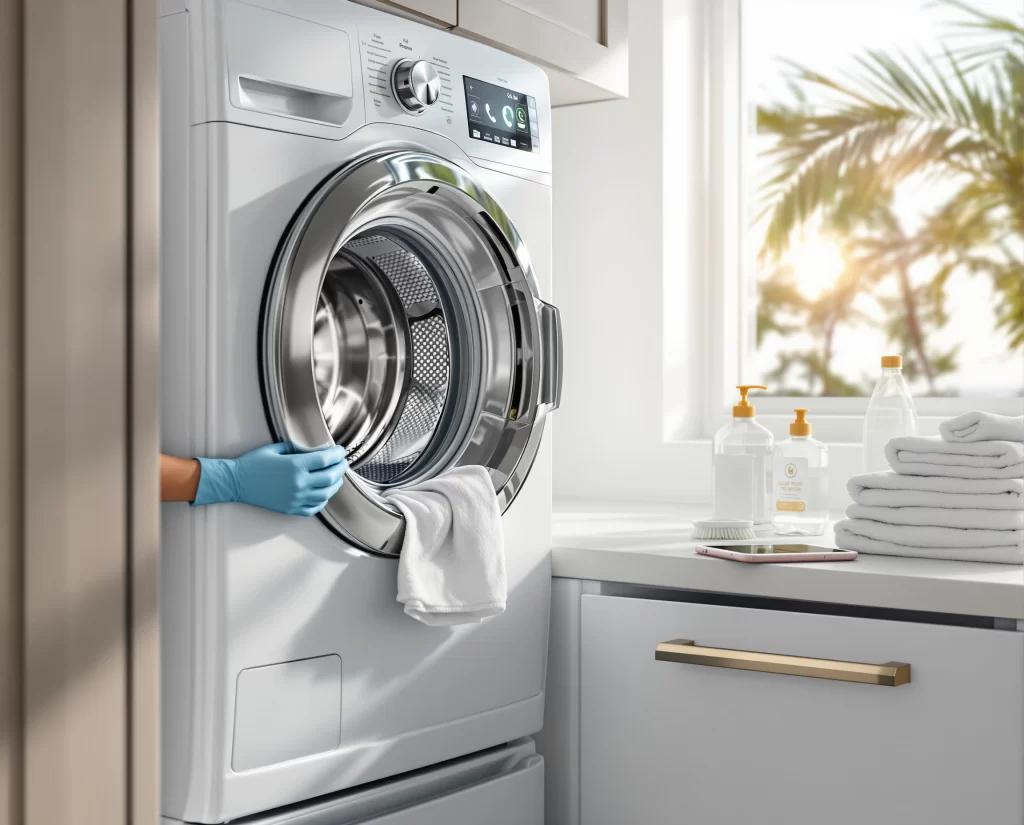
























How to Clean My Washing Machine for Optimal Performance
Cleaning my washing machine is crucial, not just for hygiene, but also for optimal performance and longevity of the appliance. Over time, detergent residues, fabric softeners, and dirt can accumulate, making it essential for me to tackle this task regularly. Here’s a comprehensive guide on how I can effectively clean my washing machine and keep it in top shape.
Understanding Why I Need to Clean My Washing Machine
Cleaning my washing machine might not be at the top of my household chores list, but neglecting it can lead to unpleasant odors and poor washing performance. The buildup of dirt and residues can ultimately affect how clean my clothes come out, making this maintenance task a top priority.
Signs My Washing Machine Needs Cleaning
It's important to recognize the signs that my washing machine needs a good clean. Here are some indicators to watch for:
- Lingering odors coming from the drum
- Visible mold or mildew buildup
- Residue left on my clothes after washing
How Often Should I Clean My Washing Machine?
Generally, it's a good practice for me to clean my washing machine every month. This frequency helps to prevent the buildup of grime, ensuring my laundry remains fresh and my appliance functions efficiently. However, I should clean it more frequently if I wash heavily soiled items or notice any odors.
Step-by-Step Guide on Cleaning My Washing Machine
Step 1: Gather Supplies for Cleaning
Before I start, I must gather some essential supplies:
- White vinegar
- Baking soda
- A soft cloth or sponge
- An old toothbrush
Step 2: Clean the Drum
To effectively clean my washing machine drum, I can follow these steps:
- Run a Hot Water Cycle: I should start with a hot water cycle, filling the machine to the highest level.
- Add Vinegar: I’ll add two cups of white vinegar to the detergent dispenser. Vinegar is an excellent agent for breaking down grime and removing odors.
- Run a Second Hot Cycle: After the vinegar cycle, I’ll run another hot cycle, this time adding one cup of baking soda directly into the drum.
Step 3: Clean the Detergent Dispenser
Next, I should clean the detergent dispenser to remove buildup:
- Remove the Dispenser: If my model allows, I can take out the dispenser tray.
- Soak in Hot Water: I’ll soak it in hot water to loosen any residue.
- Scrub: Using an old toothbrush, I’ll gently scrub the dispenser to remove any buildup before rinsing it off.
Step 4: Wipe Down the Exterior
While the drum and dispenser soak, I can wipe down the exterior of my washing machine:
- Use a Cloth: A soft cloth with a mixture of water and vinegar will help clean the surface.
- Pay Attention to Buttons and Controls: It’s essential for me to ensure that buttons and controls are free of grime for better functionality.
Step 5: Clean the Door Seal
The rubber door seal can trap dirt and mildew:
- Inspect for Mold: I’ll inspect the seal for visible mold.
- Wipe: Using a cloth and a vinegar solution, I’ll wipe away any debris, ensuring to get into the grooves.
DIY vs. Professional Services
While cleaning my washing machine may seem straightforward, certain issues may require professional services. Professionals can provide a deeper clean and check for any mechanical issues. Hiring experts can save me time and ensure the job is done effectively, particularly if I encounter persistent mold or mechanical issues.
Testimonials
“I didn’t realize how dirty my washing machine was until I tried this method. It works wonders! Clothes come out smelling fresh.” — Lisa K., Mesa, AZ
“After cleaning my machine, I noticed a huge difference in the cleanliness of my laundry. Thanks for the tips!” — Mark T., Mesa, AZ
“Best advice ever! Regular cleaning has changed my laundry game completely.” — Sarah J., Mesa, AZ
Did You Know?
Did you know that neglecting to clean my washing machine can reduce its lifespan by up to 30%? Regular maintenance is key to ensuring my appliance lasts longer!
FAQs
Why does my washing machine smell bad?
Bad odors usually stem from mold and mildew buildup. Regular cleaning helps prevent this issue, ensuring my washer remains fresh-smelling.
How do I know if I need a professional washing machine service?
If cleaning doesn’t resolve persistent odors or if I hear unusual noises during cycles, I should consider professional services to check for mechanical issues.
Can I use bleach to clean my washing machine?
While bleach can disinfect, it might not be ideal as it can damage rubber seals. It’s best to stick with vinegar and baking soda for safe cleaning.
How long should I run the cleaning cycle?
I should run the hot cycle for about 30 minutes to ensure effective cleaning, giving enough time for vinegar and baking soda to work their magic.
Is it safe to leave the door closed on my washing machine?
It's advisable to leave it slightly ajar when not in use to allow air circulation, preventing the growth of mold and mildew inside.