






















INTRO
Welcome to my ultimate guide on the differences between saltwater pools and traditional chlorine pools! As someone who has navigated the waters of pool ownership, I understand the challenges and questions that come with maintaining a clean and efficient swimming environment. Whether you’re considering installing a new pool or trying to decide which cleaning service to hire, I've got you covered. Let's dive in!
Saltwater Pool vs. Chlorine Pool: What’s the Difference?
When it comes to choosing between a saltwater pool and a chlorine pool, I find that understanding the main differences can help me make an informed decision. Both types of pools have unique benefits and drawbacks that can significantly impact my swimming experience and maintenance efforts.
What is a Saltwater Pool?
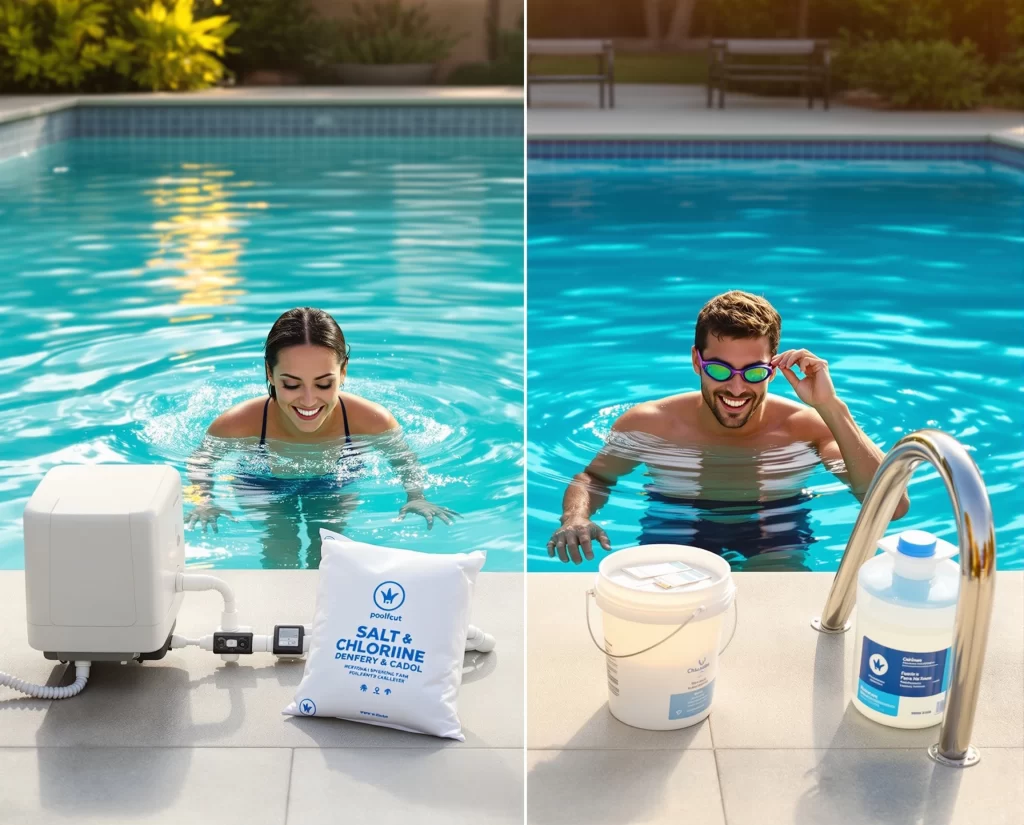
A saltwater pool uses a salt chlorine generator to convert salt into chlorine, creating a more natural swimming environment. I appreciate how it often feels softer on my skin compared to traditional chlorine pools.
- Less harshness on skin and eyes
- Lower chlorine levels
How Does a Saltwater System Work?
Saltwater pools use electrolysis to generate chlorine from dissolved salt in the water. This process produces a consistent and gentle level of chlorine that's less irritating.
What is a Chlorine Pool?
Chlorine pools rely on direct chlorine additions or tablets to sanitize the water. While they effectively kill bacteria and algae, I often notice stronger chemical odors and harsher sensations when swimming.
- Conventional method for pool sanitation
- Immediate chlorination effects
CHLORINE POOL MAINTENANCE
Keeping a chlorine pool clean requires regular additions of chlorine and monitoring pH levels. I often find myself checking chemical levels to ensure the pool is safe to swim in.
Cost Comparison: Saltwater vs. Chlorine
One area that often interests me is the cost associated with each pool type. Saltwater systems may have a higher upfront cost, but I often save money on chemicals over time.
- Saltwater Pools: Higher installation costs but lower maintenance costs
- Chlorine Pools: Lower setup costs but ongoing chemical expenses
Chlorine Pool Maintenance Challenges
If I'm maintaining a chlorine pool, I have to regularly test and balance water chemistry, which can be time-consuming. Some common struggles include:
- Over-chlorination leading to skin irritation
- Fluctuating pH levels affecting comfort
Saltwater Pool Maintenance: The Easier Path?
I find that saltwater pools require less chemical manipulation. But maintenance is not without its challenges. Key points to consider:
- The salt cell needs to be replaced every 3-5 years.
- Regular cleaning of the generator is essential.
What to Consider: Personal Preference
Choosing a pool type can be a personal journey. I often reflect on what’s most important for my swimming experience: comfort, maintenance effort, or upfront cost.
Environmental Impact of Each Pool Type
An important aspect for me is the environmental impact of both pool options. Saltwater pools typically use less chlorine production, leading to eco-friendliness.
- Saltwater pools: Less disruption with natural ingredients
- Chlorine pools: Higher chemical reliance
DIY vs. Professional Services
When it comes to pool maintenance, I often ponder whether to handle it myself or hire a professional. While DIY methods can save money, they often come with risks:
Risks of DIY Maintenance
- Improper chemical balance can lead to health issues.
- Equipment failures may require costly repairs.
Benefits of Hiring Professionals
- Expertise ensures my pool is safely maintained.
- Saves me time, allowing for more enjoyable swim days!
Testimonials
“I opted for a saltwater pool, and the difference is phenomenal! It feels so much better on my skin and has cut down my maintenance headaches.” — Sarah T., Irving, TX
“I switched to a saltwater system after years of dealing with chlorine. I wish I made the change sooner!” — Jason M., Dallas, TX
“Professional maintenance has taken the burden off my shoulders. I can finally enjoy my pool without stress!” — Emily R., Fort Worth, TX
Did You Know?
Did you know that saltwater pools can be gentler on eyes and skin, leading to a more enjoyable swimming experience for those with sensitivities?
TL;DR Summary
- Saltwater pools use a generator to produce chlorine, leading to softer water.
- Chlorine pools require direct chlorine additions, which can irritate skin and eyes.
- Cost can vary; saltwater has higher installation costs, but may save on chemicals.
- Regular maintenance is essential for both systems, but hiring a professional can alleviate stress.
- Consider the environmental impact when choosing between pool types.
FAQs
Q: Which pool type is easier to maintain?
A: Generally, saltwater pools require less frequent chemical adjustments compared to chlorine pools. However, both have their maintenance tasks. Hiring a professional can help ensure consistent water quality without the hassle.
Q: Do saltwater pools use no chlorine at all?
A: No, saltwater pools still generate chlorine through a salt system. They typically maintain lower chlorine levels, which can be more comfortable for swimmers.
Q: How often should I test my pool water?
A: It's important to regularly test water chemistry, ideally at least once a week. If you hire a professional service, they will ensure your pool remains balanced.
Q: Can chlorinated water affect my hair?
A: Yes, chlorine can dry out hair and affect its color. Saltwater is typically gentler, making it a preferable choice for many swimmers.
Q: How can I know which pool type is best for me?
A: I recommend assessing your priorities, like budget, comfort, and maintenance efforts. Speaking with professionals can also provide valuable insights tailored to my needs.